Your Competitors Are
Getting Press. You Should Too.
PR4ECOM gets ecommerce brands featured in Forbes, Business Insider, and the niche publications your customers actually trust — building the authority, SEO backlinks, and brand credibility that paid ads simply can't replicate.

Ads Stop Working the Moment You Stop Paying. PR Compounds Forever.
Every dollar you spend on Meta or Google disappears the second you pause your campaigns. A single earned media placement in Forbes still drives traffic, backlinks, and credibility years later.
- ✗Traffic dies when budget stops
- ✗Rising CPMs, falling ROAS
- ✗No long-term brand equity built
- ✗Competitors can outbid you overnight
- ✓Earned media lives permanently
- ✓Each placement builds on the last
- ✓Authority backlinks compound SEO
- ✓Journalists seek YOU out for quotes
- ✗Customers don't know your story
- ✗Low brand trust → lower conversion
- ✗No differentiator from competitors
- ✗Susceptible to any reputation hit
What Ecommerce Brands Actually Get From PR4ECOM
Not vanity metrics. Tangible outcomes that grow your store's revenue, authority, and resilience.
Every media placement is a permanent, high-authority backlink. Brands typically see a 20–40 point DA increase within 6 months of consistent PR coverage.
Our AI monitors live news signals and Google Trends to find trending stories before journalists write them — and inserts your brand as a source first.
Consistent, targeted coverage turns your brand into the go-to source in your category — so journalists start coming to you, not your competitors.
Pre-launch editorial seeding, gift guide submissions, and coordinated launch-day outreach to 200+ journalists — maximum impact in your launch window.
Proactive reputation management and a 24/7 rapid response team that has helped 40+ ecommerce brands recover from negative press, viral complaints, and returns scandals.
Every Service Built to Grow Your Brand's Coverage, Authority & Revenue
We don't offer generic PR. Every service is designed specifically for ecommerce and DTC — where product storytelling, seasonal timing, and SEO-backlink value all matter.
Earned placements in Forbes, TechCrunch, and the niche publications your customers actually read — building authority that paid ads can't buy.
Learn moreHyper-targeted, personalized pitches to the exact journalists covering your category — with an 85% journalist response rate.
Learn moreJournalist-ready press releases with a 68% pickup rate, distributed directly to our targeted media list — not spray-and-pray wire blasts.
Learn morePre-launch editorial seeding, gift guide submissions, and day-one coverage that turns your launch into a brand-defining media moment.
Learn more24/7 rapid response when things go wrong — product issues, viral complaints, or negative press handled before they define your brand.
Learn moreThe brand narrative, founder story, and category positioning that makes journalists write about you and customers choose you first.
Learn moreWant to Be the Brand Everyone Writes About?
Our Authority Domination plan is built for brands that want to own their category — weekly press angles, live trend monitoring, competitor PR tracking, 500–2,000 journalist outreach emails/month, and founder thought-leadership placement in top-tier publications.


50+
Ecommerce Brands Served
300+
Earned Media Placements
8M+
Monthly Readers Reached
68%
Press Release Pickup Rate


Latest from Our Blog
PR strategies, media tips, and growth insights for ecommerce founders and operators.
The ecommerce brands that win long-term don't just have better products — they own a category position in the mind of their market. Here's how to claim yours.
June 14, 2026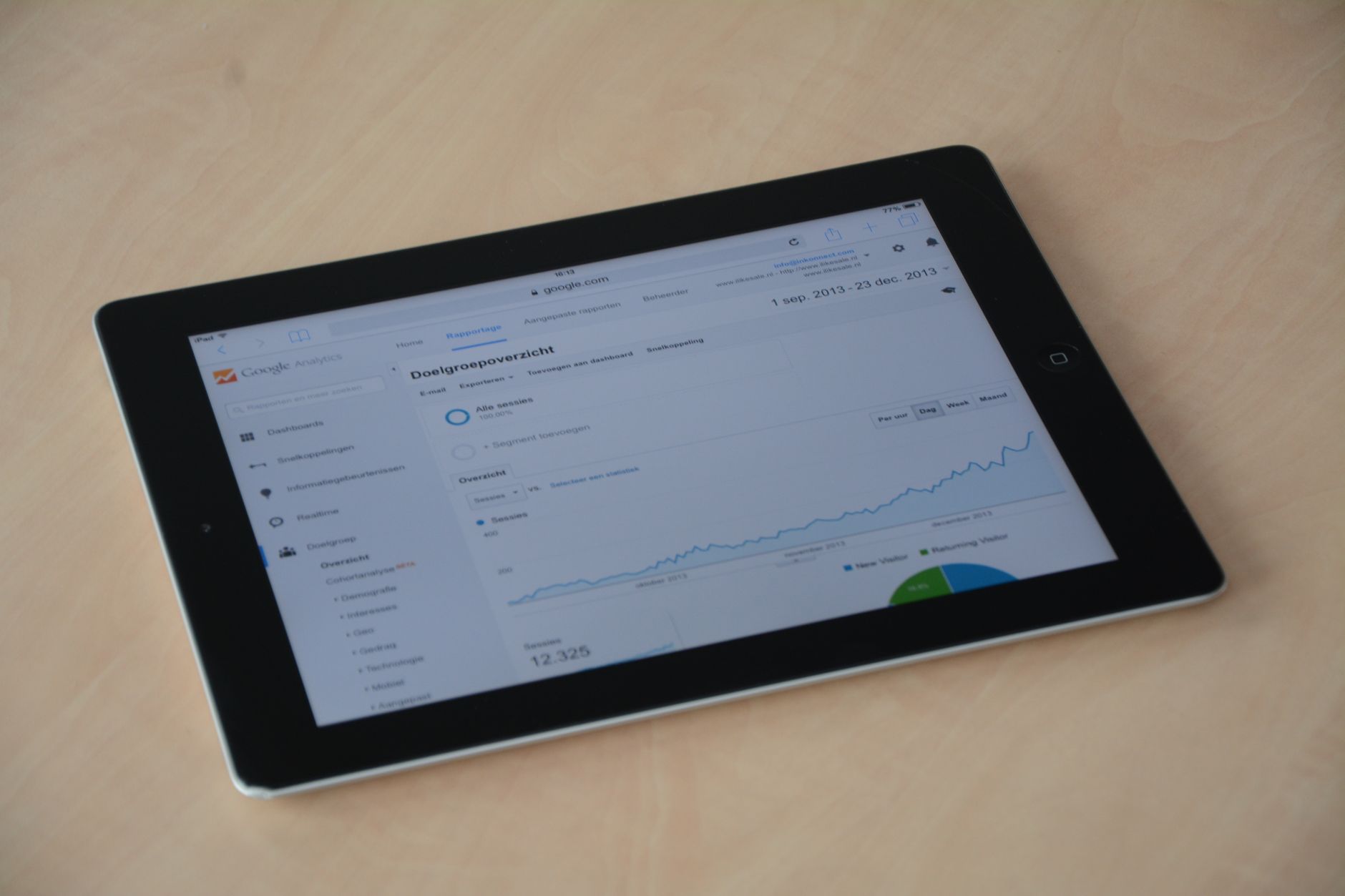
PR doesn't have to be a black box. Here are the metrics, tools, and frameworks ecommerce brands use to connect press coverage directly to revenue.
June 10, 2026
The most powerful PR asset for any DTC brand isn't your product — it's your founder's story. Here's how to craft one that journalists actually want to tell.
June 8, 2026Get Weekly Ecommerce PR Insights
Join 1,000+ ecommerce founders who get press angle ideas, journalist pitch templates, and media trend alerts delivered to their inbox every week — free.
Your Brand's Story Deserves to Be Heard. Let's Make It Happen.
Whether you're launching your first product, scaling an established DTC brand, or looking to own your category — PR4ECOM has a package built for where you are right now.
No lock-ins. No retainer surprises. Cancel anytime. Your first placement or your money back.