How to Measure the ROI of PR for Your Ecommerce Brand
PR doesn't have to be a black box. Here are the metrics, tools, and frameworks ecommerce brands use to connect press coverage directly to revenue.
The "PR Can't Be Measured" Myth
One of the most persistent myths in marketing is that PR results are impossible to measure. This belief leads many ecommerce brands to either ignore PR entirely (leaving massive authority-building opportunities on the table) or invest without any accountability framework (and eventually question whether it's working).
The truth is that PR can and should be measured — it just requires a different framework than paid media. Here's how ecommerce brands can build a PR measurement system that connects coverage to real business outcomes.
The Three Layers of PR Measurement
Layer 1: Coverage Metrics (what happened)
- Number of placements in a given period
- Domain authority (DA) of publications that featured you
- Reach and circulation of those publications
- Share of voice vs. competitors in your category
Layer 2: Traffic Metrics (what it drove)
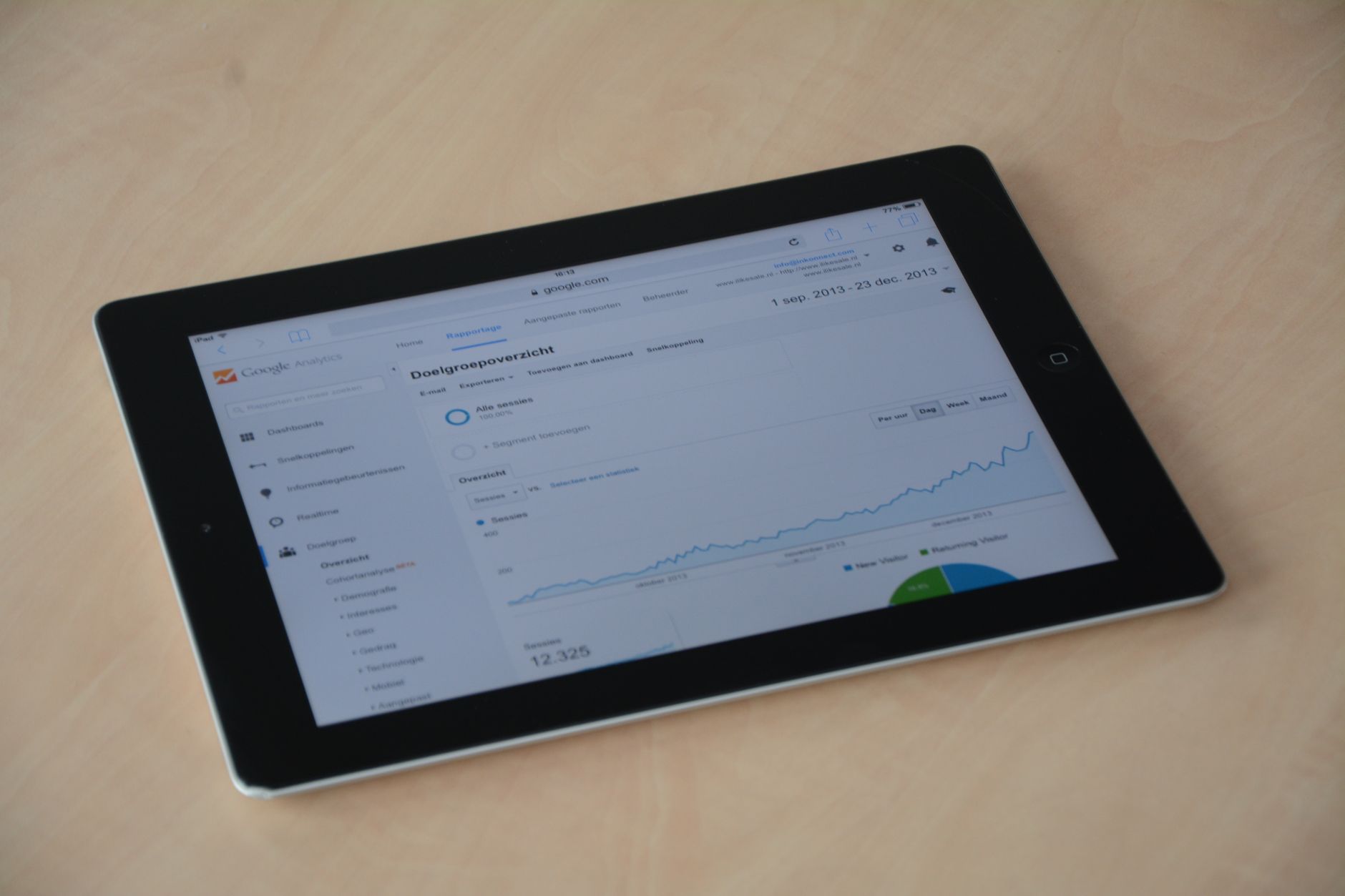
- Referral traffic from press links (track in Google Analytics 4 under Acquisition > Referral)
- Organic search traffic lift (coverage often drives branded search spikes)
- Direct traffic increases correlating to coverage dates
- New vs. returning visitor ratio from press referrals
Layer 3: Business Metrics (what it converted)
- Revenue attributed to referral traffic from press
- Conversion rate of press-referred visitors vs. average
- Email list growth following press coverage
- Wholesale/retail inquiries citing specific press mentions
Setting Up Coverage Tracking in GA4
The most important technical step is properly tagging your press links. Work with journalists and publication editors to ensure your links include UTM parameters: utm_source=[publication_name]&utm_medium=press&utm_campaign=pr.
When this isn't possible (you can't control how publications link to you), create a custom channel grouping in GA4 that captures referral traffic from your target media list domains and reports it as "PR Coverage."
The Revenue Attribution Model
Connect coverage dates to revenue in your Shopify or commerce platform analytics. For major placements, you'll typically see:
- A spike in referral and direct traffic within 24–72 hours of publication
- An organic search lift for branded and category keywords over the following 2–4 weeks
- A halo effect on conversion rates as brand recognition increases
Build a simple spreadsheet that tracks coverage dates, publication names, estimated reach, GA4 referral sessions from that source, and revenue in the 30-day window post-coverage.
The Metrics That Actually Matter Long-Term
Beyond individual placement ROI, the most valuable PR metrics for ecommerce brands are:
Domain Rating (DR) growth: Track your brand's overall backlink profile monthly. PR coverage from high-DA publications is the most efficient way to build DR — which directly correlates to organic search rankings.
Brand search volume: Use Google Search Console or SEMrush to track how often people search your brand name. Consistent press coverage reliably grows branded search volume, which is a leading indicator of brand health.
Share of voice: Track how often your brand is mentioned relative to competitors in your category's media coverage. As this metric grows, you'll see corresponding improvements across your other metrics.
Building the PR ROI Report
Once a month, build a one-page PR ROI summary for your team that covers: placements earned, estimated reach, referral sessions, estimated revenue attributed, DR/backlink growth, and brand search volume change. This keeps PR accountable and makes the case for continued investment when it's working.